
What is Lipoedema?
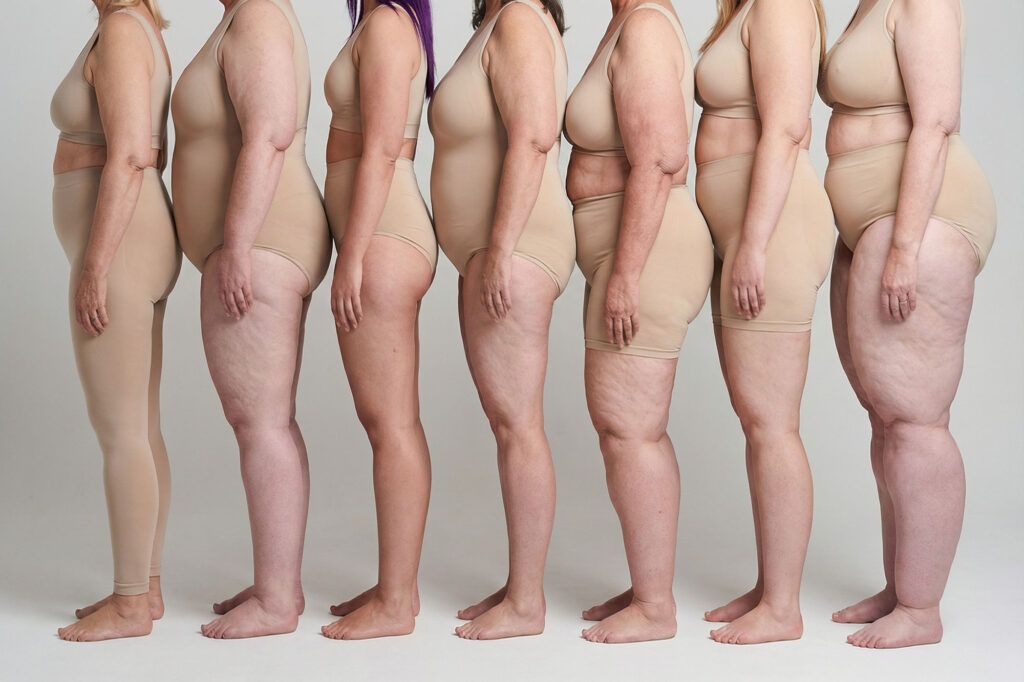
Lipoedema is a chronic, progressive disorder of fatty (adipose) tissue that causes an abnormal,
symmetrical build-up of fat, most commonly in the hips, buttocks, thighs, and legs. In some cases,
the arms may also be affected. Unlike general weight gain, the hands and feet are typically spared,
creating a distinctive "cuff" appearance around the wrists or ankles.
Lipoedema almost exclusively affects women and often develops or worsens during times of
hormonal change, including puberty, pregnancy, menopause, or hormonal therapy.
Importantly, the fat associated with lipoedema is not caused by overeating or inactivity and
typically does not respond to diet and exercise alone. This can make the condition frustrating and
emotionally challenging for many people living with lipoedema.
Common Signs and Symptoms of Lipoedema
People with lipoedema may experience one or more of the following:
Disproportionate fat distribution, with a smaller upper body and significantly larger legs
and/or arms.
Painful, tender, or sensitive fatty tissue.
Fat that remains resistant to weight loss despite healthy eating and regular exercise.
Easy bruising with little or no apparent cause.
Soft, dimpled, nodular, or fibrotic fatty tissue beneath the skin.
Swelling of the affected limbs while the hands and feet remain unaffected.
A noticeable "cuff" at the ankles or wrists where the swelling ends.
Symptoms that begin or worsen during puberty, pregnancy, menopause, or other hormonal
changes.
A family history of similar leg shape or symptoms, suggesting a genetic component.
What Causes Lipoedema?
Although the exact cause of lipoedema is still being researched, it is believed to result from a
combination of genetic and hormonal factors. Many women report a family history of the condition,
and symptoms commonly appear or worsen during times of hormonal change.
What Happens in the Body?
Lipoedema affects the body's loose connective tissue, which includes fat cells, supporting cells,
blood vessels, lymphatic vessels, and a network called the extracellular matrix that provides
structure to the tissue.
Under normal circumstances, fluid moves in and out of these tissues and is continuously drained by
the lymphatic system. Special molecules within the tissue help regulate this fluid balance.
In lipoedema:
Excess fluid and salt become trapped within the affected tissue.
The connective tissue expands and retains even more fluid.
This creates a cycle of ongoing inflammation and tissue changes.
Over time, this may lead to:
Chronic inflammation
Increased swelling (which may not always be visibly obvious)
Reduced oxygen supply to the tissues (hypoxia)
Progressive hardening of the tissues (fibrosis)
Increasing pain, tenderness, and reduced mobility
Why Early Diagnosis Matters
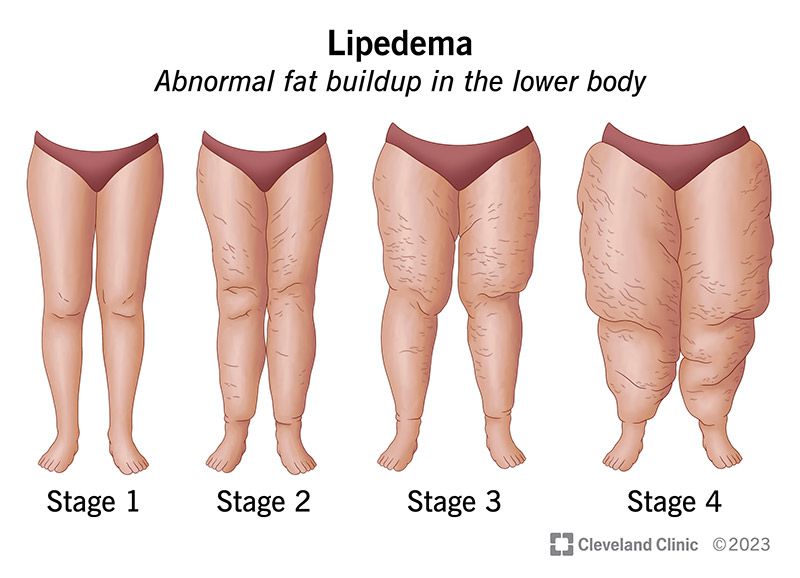
Lipoedema is frequently mistaken for obesity or lymphoedema, resulting in delayed diagnosis and
treatment.
Early diagnosis and appropriate management can:
Reduce pain and tenderness.
Improve mobility and physical function.
Minimise swelling.
Slow progression of the disease.
Improve quality of life and emotional wellbeing.
Early intervention is associated with significantly better long-term outcomes.
How is Lipoedema Managed?
Although there is currently no cure for lipoedema, a comprehensive, multidisciplinary treatment
approach can effectively manage symptoms and help slow disease progression.
1. Education and Psychological Support
Understanding the condition is an essential first step.
Treatment includes:
Education about lipoedema and its progression.
Guidance on realistic expectations.
Emotional support and referral to a psychologist when appropriate.
2. Nutrition and Healthy Weight Management
While diet cannot remove lipoedema fat, healthy nutrition plays an important role in reducing
inflammation and managing non-lipoedema body fat.
Treatment focuses on:
Anti-inflammatory eating patterns.
Whole-food nutrition.
Individualised dietary approaches, such as plant-based or lower-carbohydrate eating where
appropriate.
Sustainable lifestyle changes rather than restrictive dieting.
3. Exercise and Physical Activity
Regular movement is one of the most effective ways to manage lipoedema.
Benefits include:
Improved mobility and flexibility.
Increased muscle strength and joint stability.
Better lymphatic and venous circulation.
Support for healthy weight management.
Reduced pain.
Improved mental health and overall wellbeing.
Exercise programmes should always be tailored to the individual's symptoms and abilities.
4. Manual Lymphatic Drainage (MLD)
Manual Lymphatic Drainage is a specialised, gentle hands-on treatment that helps encourage the
movement of lymphatic fluid.
MLD may help:
Reduce swelling.
Improve tissue health.
Remove excess fluid and waste products.
Relieve discomfort and feelings of heaviness.
5. Compression Therapy
Compression garments are one of the cornerstones of conservative lipoedema treatment.
Benefits include:
Reducing pain and tenderness.
Supporting affected tissues.
Improving mobility.
Managing swelling.
Assisting venous and lymphatic circulation.
Helping prevent fluid accumulation.
Compression garments should be individually fitted to ensure optimal benefit.
Book a Lipoedema Assessment
If you suspect you may have lipoedema or have been struggling with painful, disproportionate fat
distribution that does not improve despite diet and exercise, a professional assessment can help
provide clarity and guide appropriate treatment.
Jhandré Carow is a registered Lipoedema Therapist (LTA Certified) with a special interest in the
assessment and conservative management of lipoedema. She provides evidence-based care tailored
to each individual needs, helping patients better understand their condition, reduce symptoms,
improve function, and enhance their quality of life.
Book an appointment with Jhandré Carow today for a comprehensive assessment and personalised
treatment plan. Early intervention can make a meaningful difference in managing lipoedema and
improving long-term outcomes.

References:
Herbst, K. L. et al. (2021). Standard of care for lipedema.
UK Best Practice Guidelines (2017). Management of Lipoedema.
About Lipedema, Lipedema Foundation. Available at: https://www.lipedema.org/about-lipedema (Accessed: 23 March
2026).
What is Lipedema? (2024) Lipedema Simplified. Available at: https://lipedema-simplified.org/what-is-lipedema/ (Accessed:
23 March 2026).