
Greater trochanteric pain syndrome(GTPS): Understanding pain on the side of your hip
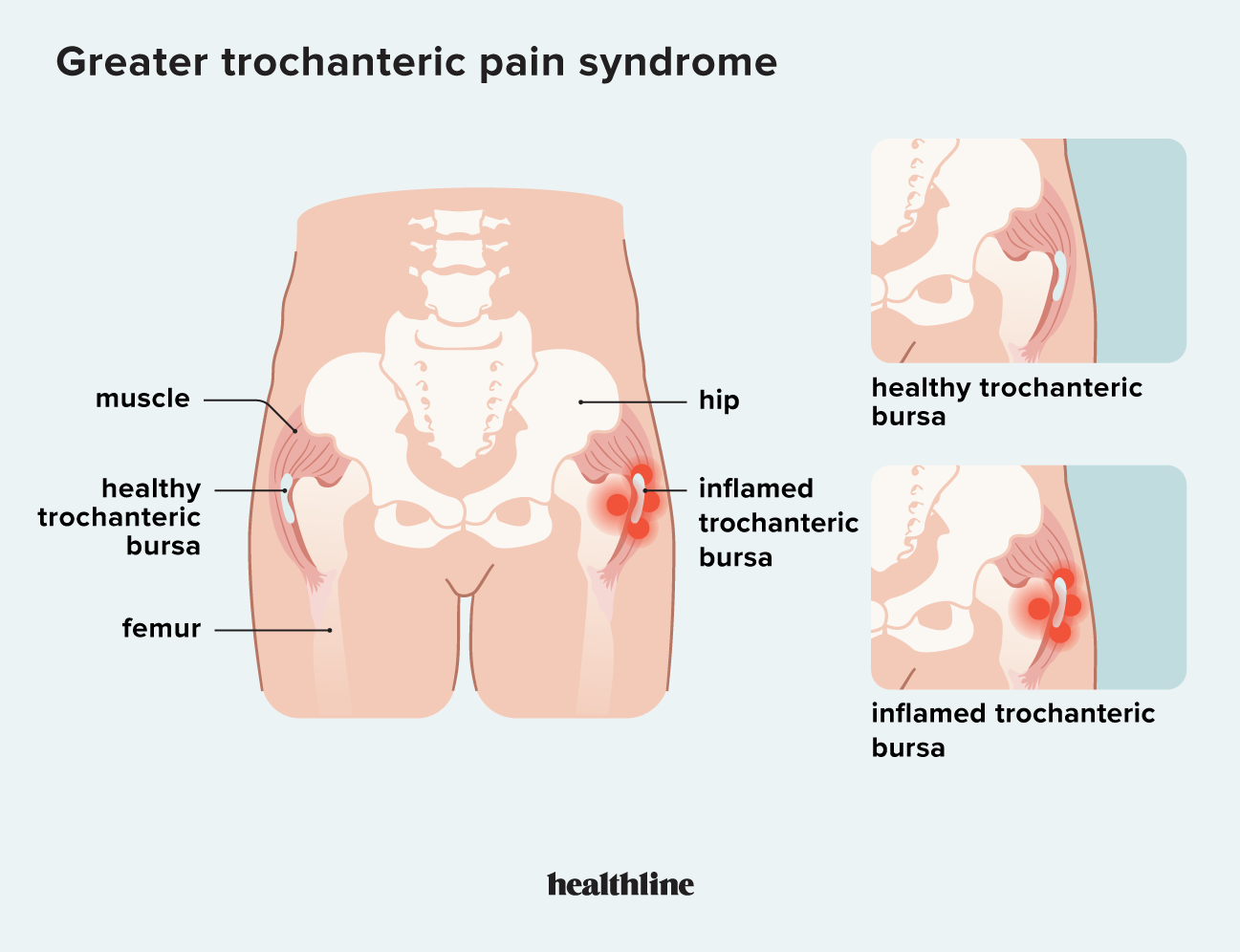
What is GTPS?
GTPS is an umbrella term which is used to describe pain coming from the structures on the outer side of the hip. The area most commonly affected is known as the greater trochanter, and all affected structures are found in its surroundings. It is the most common tendinopathy seen in the lower limbs affecting up to 23.5% of middle aged women.
Where is the greater trochanter and common sites of pain?
Those with GTPS often complain of pain around the outer hip which may extend down the side of the leg to the knee. It is often misdiagnosed as hip joint pain or groin pain.
It is also noteworthy that any pain which refers down the leg is often on the outer side of the leg. Any pain referring down the back of the leg is more commonly associated with the sciatic nerve and likely indicates a different cause.
So what causes GTPS?
GTPS is often caused by a repetitive strain or overload on certain structures surrounding the greater trochanter. It may also be due to poor ergonomics/ body positions or movements which result in the compression over the greater trochanter. Examples of this may include:
- An individual who works in an office and sitting cross-legged for extended periods while working
- A new runner who rapidly adds mileage, especially those who do not do any other leg exercise/ gyming.

Risk factors for developing GTPS:
Many of those with GTPS have one or more of the factors mentioned below:
- Most commonly seen in active middle aged, peri-menopausal or menopausal women
- Could be aggravated by those taking oestrogen inhibitors or quinolone antibiotics (e.g. ciproflaxin, levofloxacin)
- Increased BMI or recent increase in weight
- A recent history of increased physical load. Those who are mostly sedentary during the week and perform excessive exercise on the weekend are especially at risk.
- A history of smoking, steroid use or diabetes can further exacerbate symptoms
- Those who often assume postural and biomechanical positions which place excessive loads on the side of the hip such as sitting cross legged, lying on ones side without a pillow in between the knees or aggressive stretching.
What are common symptoms of GTPS?
- Pain at the side of the hip
- Tenderness when touching/ pressing around the outer hip
- Noticeably worsened symptoms after a period of prolonged sitting.
- Increased pain when walking up or down stairs or walking uphill.
- Night pain and associated difficulty with sleeping. This is particularly noticeable when laying either on the side of the pain or on the opposite side without a pillow in between the legs.
- Increased pain with activities which place a unilateral strain onto the side of the hip (sitting with legs crossed, holding a baby, carry a heavy shopping bag on one side)
What can your physiotherapist do to help diagnose GTPS?
- Your physio will aim to get a comprehensive history in order to understand how your symptoms behave especially in conjunction with your daily activities. This allows us to gain understanding into how your condition affects your daily activities and quality of life.
- An important part which your physio will target from day 1 is to understand what your quality of sleep is like. Managing one’s sleep is essential as this is the period in which our body rests and heals and poor sleep hygiene is a major contributing factor to inhibiting this process.
- Under the guidance of your history, we will assess how you move, which movements create your familiar pain and then assess those associated structures. This then leads to a clinical diagnosis as to where the source of your pain lies.
- Once a diagnosis is reached, your physiotherapist will be able to target the affected structure through a tailored rehabilitation programme.
What can a rehabilitation programme look like?
- Education is an integral part of avoiding exacerbation of symptoms. This may include education regarding sleeping positions and how to maximize your sleep quality.
- We may tailor your existing gym programme and recreational activities to avoid any movements or activities which will aggravate those affected structures. We do not advocate for absolute rest from physical activity unless it is indicated therefore it is essential to inform your physio regarding any physical or recreational activities you do so that we can work together to reach an appropriate compromise.
- We can aid in providing some much needed soft tissue release through hands on techniques and stretches
- A progressive exercise programme for each step of your rehabilitation programme will be given which your physiotherapist will constantly adjust depending on how you respond. Depending on your preferred sport/ activity or occupation, this will be tailored appropriately.
- Ergonomic assessment for your workspace or home activities (We recommend you take pictures of these areas prior to visiting so that we can have a better understanding of your environment)

Do you are having consistent night pain in the hip which affects your sleep or difficulty with sitting for prolonged periods and are unsure of what the cause is? Are you frustrated by being limited in your life because of pain?
Then you are welcome to book a session with any of our physiotherapists who can assist you by with preventing ongoing discomfort and get you on the road to recovery!