
Medial tibial stress syndrome
Medial Tibial Stress Syndrome (MTSS), commonly known as shin splints, is a condition characterized by pain along the inner edge of the shinbone (TIBIA). It is caused by repetitive stress on the tibia and the tissues attaching the muscles to it.
Cause = repetitive stress without adequate healing.
Contributing factors of MTSS:
Overuse and Repetitive Stress
- High-impact activities (runners, dancers, military personnel)
- Sudden increases in training intensity, frequency, or duration.
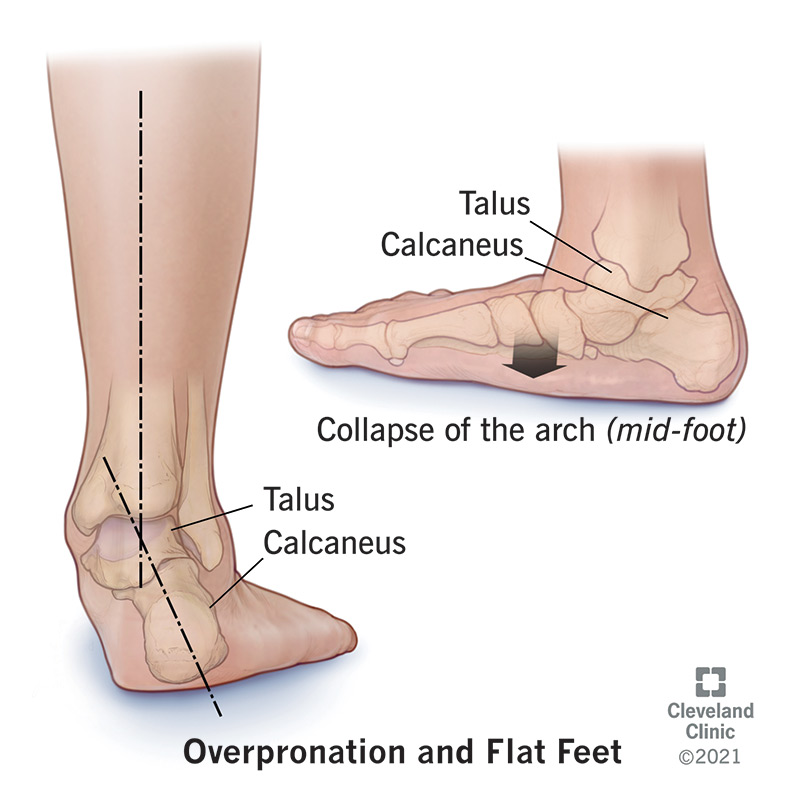
- Overpronation
- Flat feet (pes planus) or high arches (pes cavus) → Alters shock absorption, increasing strain.
- Muscle imbalances or weakness → Leads to improper force distribution.
Poor Footwear and Training Surfaces
- Worn-out or unsupportive shoes fail to provide adequate shock absorption.
- Running on hard surfaces -> increases impact forces.
- Frequent changes in terrain adds stress to the tibia.
Improper Training Techniques
- Sudden changes in running distance, speed, or intensity.
- Inadequate warm-up or stretching,
Anatomical Factors
- Increased tibial bowing→ Alters force distribution. Tight calf muscles → Reduces flexibility, increasing strain on the tibia.
SHIN SPLINTS PHYSIOLOGY:
- Bone Stress and Remodeling Imbalance
- Remodeling repairs microdamage from repetitive trauma in the tibia.
- In MTSS, excessive mechanical stress exceeds the bone’s ability to repair, leading to microdamage accumulation.
- If the stress is not alleviated, it can progress toward stress fractures.
- Periosteal Inflammation
- The periosteum (outer layer of the bone) contains pain-sensitive nerve endings.
- Excessive pulling by muscles leads to periosteal irritation and inflammation.
- This inflammation is responsible for the dull, aching pain characteristic of MTSS.
- Muscle Dysfunction and Overload
- The deep posterior compartment muscles help absorb impact forces during activities like running and jumping.

- Weakness, fatigue, or improper biomechanics cause excessive strain on these muscles, leading to increased traction stress on the tibia.

- Vascular and Hypoxic Factors
- Some studies suggest vascular insufficiency in the periosteum may contribute to MTSS.
- Hypoxia (low oxygen) in overloaded muscle tissue can lead to localized ischemia and pain.
Preventing shin splints:
Gradual progression in training 
- Increase intensity slowly
- Cross-training
Proper footwear and orthotics
- Wear supportive shoes.
- Replace worn-out shoes: around every 480-800 km
- Consider orthotics
Strengthening and conditioning
- Strengthen the lower legs
- Improve core and hip stability
- impact training
Recovery and rest
- Listen to your body
- Ice therapy
- Massage and elevation
Managing shin splints:
Reduce inflammation:
-
- Ice
- NSAIDS
 Ice
Ice Massage and soft tissue release
Strengthen, stretch and mobility work.
Graded return to activity
Supportive footwear and orthotics if needed
Rest and Activity Modification
Why see a Physio:
Diagnosis: Making an accurate diagnosis is imperative to know how to manage your condition
Manual Therapy: We can release structures that are tight and contributing to your condition.
Exercise Prescription: We will give you exercises that are specific to you to assist in your recovery.
Educate: Identify your contributing factors – both internal and external.
Strapping: Strap the leg to assist in offloading the muscle around the tibia.
Graded return to activity: Help develop a graded return to activity to prevent re-injury.
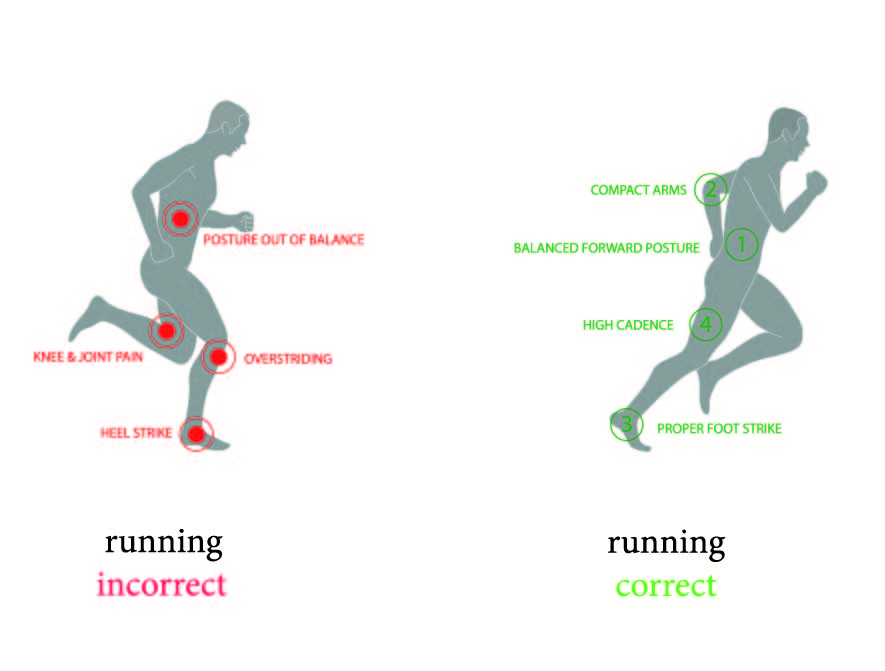
Running Analysis: Assess your gait and running Analysis to determine what changes may need to be made.
Book an appointment with BRH Physiotherapy to address your biomechanics and running style today!