
Lymphoedema Management: What it is and how to treat it.
What is the Lymphatic System?
The lymphatic system is the key component of lymphoedema: it is an essential network of vessels and nodes that works alongside the circulatory and immune systems. It transports lymph fluid, which carries proteins, waste products, and immune cells, helping the body maintain fluid balance, absorb dietary fats, and defend against infection. 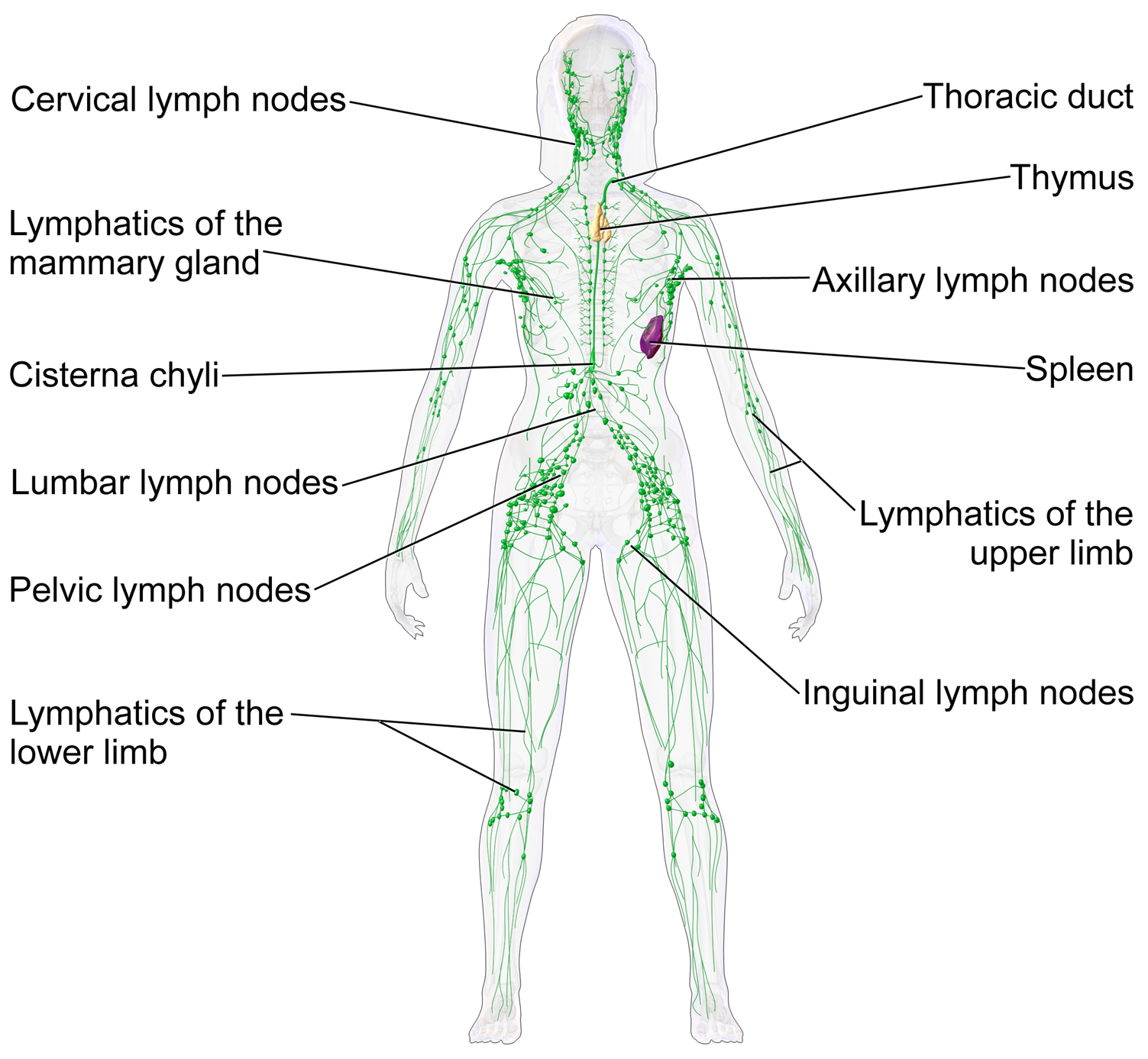
What is Lymphoedema?
Lymphatic oedema occurs when the lymphatic system cannot properly drain fluid, which leads to chronic swelling. This swelling is often in the arms or

legs. While swelling is the noticeable symptom, it is also a progressive condition that can increase the risk of infections, reduce mobility, and significantly impact quality of life if left untreated.
Types of Lymphoedema
1. Primary Lymphoedema
Primary lymphoedema is linked to genetic or congenital abnormalities in the development of the lymphatic system which can present at birth, during adolescence, or later in adulthood, and is sometimes associated with a cluster of conditions/symptoms.
2. Secondary Lymphoedema
Secondary lymphoedema develops when a previously healthy lymphatic system becomes damaged. Common causes include:
- Cancer and cancer treatment (such as surgery or radiation affecting the lymph nodes)
- Trauma or injury
- Reduced mobility or obesity
- Chronic venous insufficiency
- Recurrent infections or inflammatory conditions
- Hormonal or endocrine disorders
Symptoms
The earliest signs of lymphoedema are often subtle and may come and go. Recognising these symptoms early can make a significant difference in management. Common symptoms include:
- Persistent swelling in a limb, hand, foot, or other area
- A heavy, tight, or aching sensation in the affected area
- Reduced range of movement or stiffness in nearby joints
- Changes in skin texture, such as thickening or hardening
- Recurrent infections (cellulitis) in the swollen area
- Difficulty fitting into clothing, shoes, or jewelry
If left unmanaged, swelling can progress and lead to irreversible tissue changes, making early detection and treatment essential.
How is Lymphoedema Managed?
Although you cant sure lymphoedema, active management can help reduce swelling, improve function, and prevent complications. Treatment is highly individualized and guided by current, best-practice evidence. A typical management plan may include: 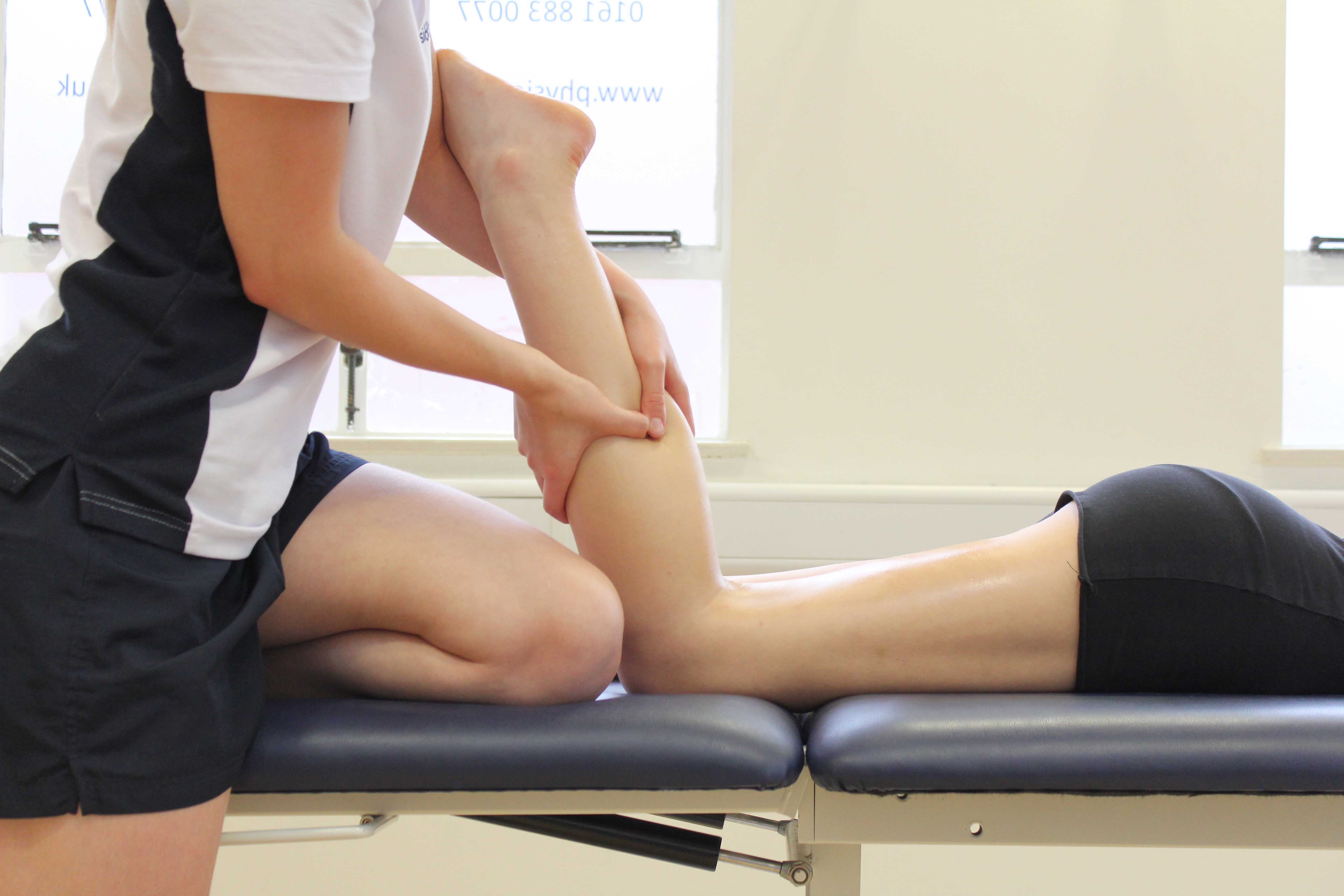
- Patient education & skin care: Teaching patients how to protect their skin, reduce infection risks, and maintain long-term limb health.
- Rehabilitation & exercise: Gentle, controlled exercises to encourage lymph flow, combined with postural advice and limb elevation where appropriate.
- Manual Lymphatic Drainage (MLD): A specialized, gentle massage technique designed to stimulate lymphatic circulation and reduce swelling.
- Multi-layer Lymphoedema Bandaging (MLLB): Short-stretch bandaging to reduce swelling and prepare the limb for long-term compression.
- Compression garments: Custom-fitted sleeves or stockings that maintain limb volume and support ongoing management.
A physiotherapist or lymphoedema specialist carefully tailors these interventions to each individual’s needs, ensuring the best possible outcomes.
Meet Your Lymphoedema Therapist
At BRH Physiotherapy, our dedicated physiotherapist Jhandré Carow is certified through the Lymphoedema Training Academy (LTA Global). Jhandre is an active member of the Lymphoedema Association of South Africa (LAOSA) and is registered with the National Practice Registrar (NPR) for specialised management.
Taking the First Step
If you or someone you care for is living with lymphatic oedema, early intervention is key. The sooner treatment begins, the better the outcomes for long-term management.
Contact BRH Physiotherapy today to book an assessment with our physiotherapist and begin your journey toward improved movement, reduced swelling, and renewed confidence.