What Is Shockwave Therapy?
Shockwave therapy (also called extracorporeal shockwave therapy, or ESWT) is a non-invasive modality that uses high-energy acoustic waves (shockwaves) to stimulate healing in damaged tissue. The therapy:
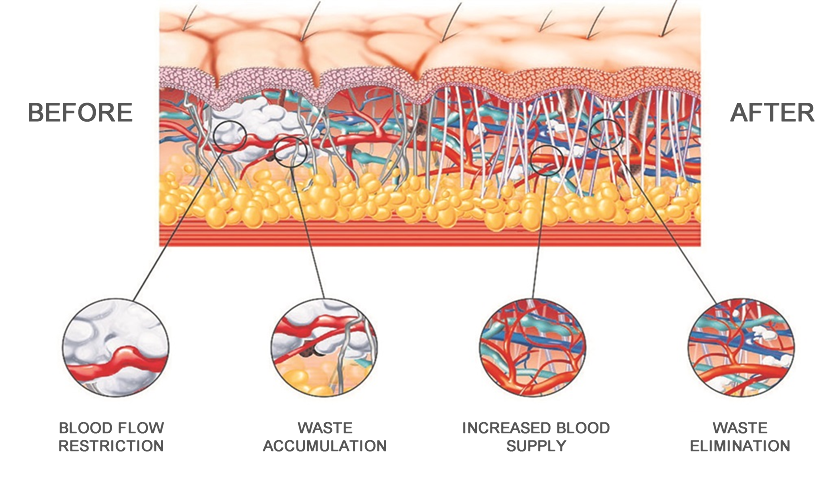
- Promotes increased blood flow around the affected area
- Stimulates metabolic activity
- Encourages tissue regeneration
- Helps break down scar tissue or calcifications
The overall goal is to tap into the body’s natural repair mechanisms, reducing pain and improving function.
When Shockwave Therapy Is Useful
Shockwave therapy is helpful in a number of musculoskeletal conditions. At BRH Physios, we consider it for conditions such as:
- Plantar fasciitis

- Achilles tendinopathy
- Tennis elbow / Golfer’s elbow
- Heel spurs
- Medial tibial stress syndrome
- Chronic tendinopathies and tendon insertion issues
- Calcifications (e.g. in shoulder)
- Bursitis of the knee and hip
- Jumper’s knee

In each case, we assess the specific pathology, how long you’ve had symptoms, your functional limitations, and your overall health to decide whether shockwave therapy is indicated.
What the Evidence Says
Research supports shockwave therapy in many of these conditions. Some key findings: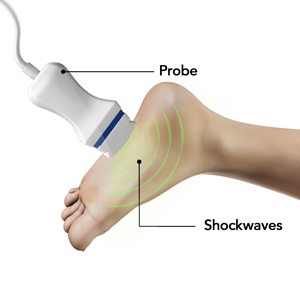
-
Several randomized controlled trials and systematic reviews report that ESWT provides significant pain reduction and functional improvement in chronic tendinopathies (e.g. Achilles, plantar fasciitis) compared to placebo or standard care.
-
It’s often more effective for longer-standing symptoms (months rather than weeks), where conventional treatments (rest, stretching, loading exercises) alone have not produced desired gains.
-
The risks are low; side effects such as transient discomfort, redness, or mild bruising are generally mild and short-lived.
What to Expect in a Session
Here’s how we do it at BRH Physios, step by step:
-
Assessment and Case History
Before recommending shockwave therapy, we conduct a detailed assessment—what tissues are involved, possible contributing factors (biomechanics, load, posture, etc.), and your medical history (to check for contraindications). -
Preparation
The treatment area is exposed and couplingly gel is applied for optimal transmission of the shockwaves. -
Treatment
We use a specialized device to deliver shockwaves to the target area. Session time is typically 15-20 minutes. -
Intensity and Frequency
We tailor the energy level and frequency of shockwaves to your pain tolerance and tissue response. It may feel uncomfortable but should not be unbearable. -
Number of Sessions
Most of our patients will need 3-5 sessions, at 1 session er week. Many notice improvements after the first few, but optimal outcomes usually require full completion of the course. -
Adjunctive Therapies
Shockwave therapy is rarely enough on its own. We combine it with targeted exercises, biomechanical correction, changes to load or technique, stretching or mobilisation, to ensure lasting change and reduce recurrence.

Who Should Not Have Shockwave Therapy
Not everyone is a candidate. The following are examples of situations where shockwave therapy may be relatively contraindicated or require special modification:
- Pregnancy
- Severe osteoporosis
- Use of blood-thinning medication or clotting disorders
- Open wounds or infections at the site
- Presence of implants near the treatment area
- Tumours or untreated cancer in the area
Before starting, we will review your medical history carefully. If there is any concern, we may recommend alternative or additional treatments.
Expected Benefits and Potential Side Effects
Benefits:
- Reduced pain
- Improved mobility and function
- Faster recover
- Non-invasive
Possible Side Effects:
- Mild discomfort during treatment
- Temporary redness, swelling or bruising around the treated area
- Soreness for 1-2 days following treatment
These are usually mild and resolve quickly.
Why BRH Physios’ Approach
At BRH Physios, our philosophy is evidence-based, holistic, and client-centered. With shockwave therapy, we:
- Find the source of your pain—identifying not just the symptomatic site, but the underlying causes (e.g. biomechanics, overuse, posture, movement patterns).
- Correct the source so that we relieve symptoms, not just suppress pain.
- Change and optimise movement patterns, so that healing is supported and future injury risk is reduced.
- Integrate improvements into real-life/sport demands, often working in coordination with coaches, trainers or employers if relevant.
- Maintain optimal movement patterns via exercises and follow-ups so benefits are sustained.
Is It Right for You?
If you are:
- tired of persistent pain that hasn’t responded to rest, stretching or standard therapy
- limited in your movement or performance because of a tendon condition, insertional pain, or chronic stiffness
- keen to avoid surgery, or speed up recovery after other treatments or injuries
Book a physiotherapy assessment so we can evaluate your case and create a personalised treatment plan, including shockwave therapy if appropriate.